
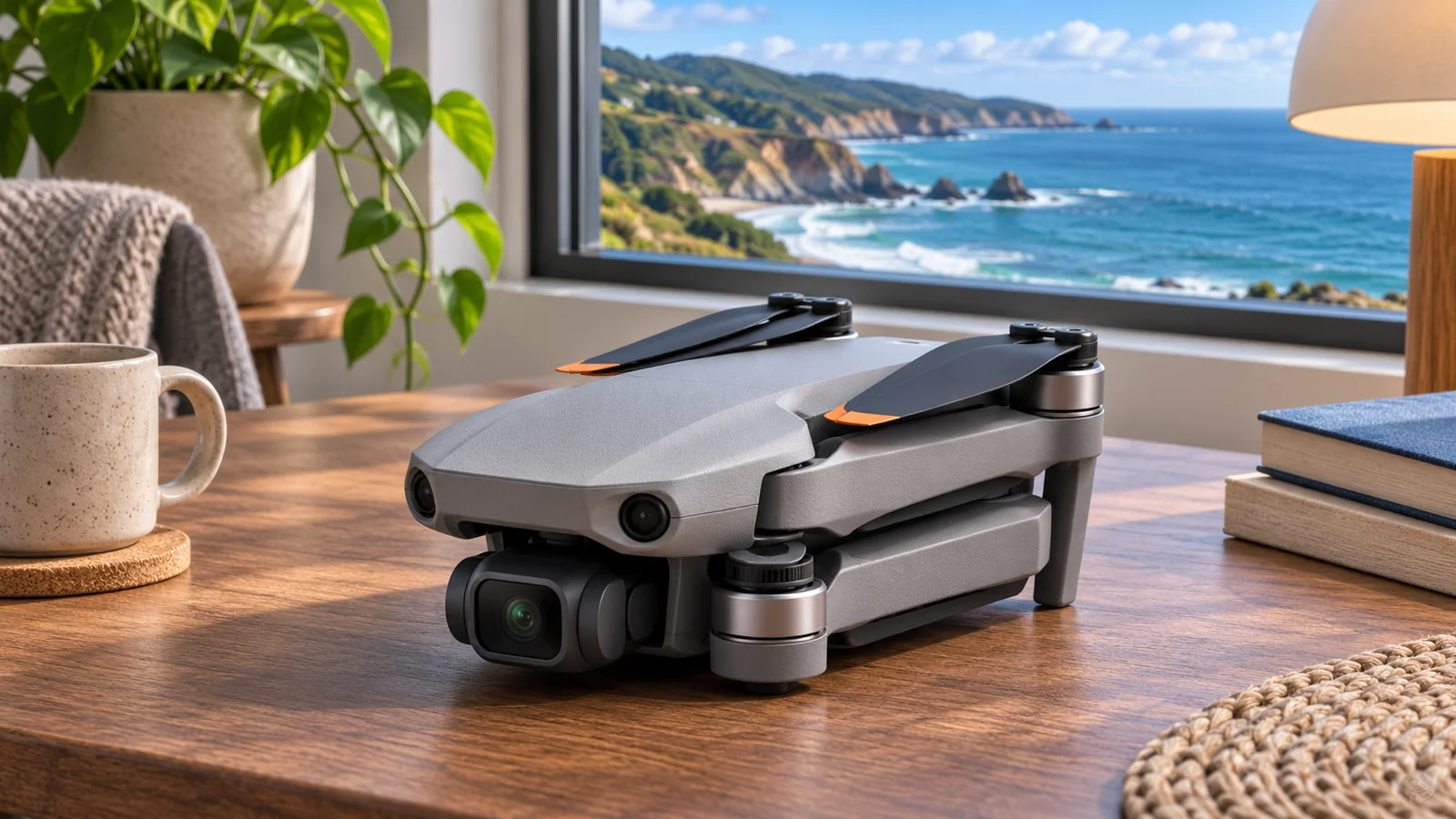
Leave the drone packed if your plan is to follow, approach or film marine mammals from above on a Campbell River wildlife trip. Canada's Marine Mammal Regulations prohibit disturbing marine mammals and restrict certain aircraft manoeuvres near them. Fisheries and Oceans Canada treats drones as aircraft for this purpose. A flight also has to meet aviation rules and any restrictions that apply to the launch site. If a whale, seal or other marine mammal appears unexpectedly, avoid manoeuvring towards it. Follow the operator's instructions and use a camera from the shore or your seat if you want a record of the encounter. Marine Mammal Regulations
Check the wildlife rules separately from the flight rules
A drone flight around marine wildlife raises two questions. First, are you allowed to operate at that place and time under the aviation and site rules? Second, would operating the drone there approach or disturb marine mammals? An answer about airspace doesn't resolve the wildlife question. Likewise, a clear view of the shoreline doesn't tell you what is permitted at the site. If the wildlife encounter is the reason you want to launch, choose a different way to photograph it. Transport Canada flight guidance
Section 7 of the Marine Mammal Regulations deals with disturbance. The listed examples include interacting with a marine mammal in a way that causes it to move or to alter its direction of movement. Section 7.2 addresses aircraft manoeuvres. Below 304.8 metres, or 1,000 feet, and within half a nautical mile of a marine mammal, the provision prohibits manoeuvres for the purpose of bringing the aircraft closer to the animal or otherwise disturbing it. The examples in the provision include taking off, landing and altering course or altitude. Read the full current text and Fisheries and Oceans Canada's guidance before planning any flight near coastal wildlife.
That wording matters because one distance doesn't function as a general approval. The aircraft provision, broader disturbance rules and aviation requirements can all apply. If you operate a small recreational drone, still check the rules that apply to it. Fisheries and Oceans Canada has documented an enforcement case involving an unlawful drone approach to killer whales in British Columbia. Treat the wildlife rules as part of the flight decision from the start. Fisheries and Oceans Canada enforcement notice
Think through what happens when animals move
A marine mammal can surface away from where you first saw it. You may be watching a shoreline while another animal appears in open water. You may lose track of it while looking at the controller. If your shot depends on following the animal, changing direction towards it or getting closer for more detail, stop pursuing the shot. It is easier to decide on shore that you will use a handheld camera for any sighting than to reassess a flight while a whale is moving.
A visible reaction is one reason to stop disturbing an animal, but waiting for a reaction is a poor way to decide whether you should launch. A seal resting on a rock or a whale travelling through a channel may be doing something important to its ordinary behaviour. There is no need to see a change in behaviour before you choose to give it room. On a guided trip, follow the crew's approach and viewing instructions. Fisheries and Oceans Canada viewing guidance
If wildlife appears while you are operating a drone for another purpose, keep attention on the aircraft and the situation around you. Avoid approaching the animal and end the flight as soon as you can do so safely and lawfully. If you are unsure what the rules mean for an intended project, check official guidance or contact the appropriate authority before flying. A spontaneous sightseeing opportunity is a good time to use equipment you can manage from where you already are.
Ask about the site and operator before bringing a drone
Transport Canada directs pilots to check where they can fly, including airspace and site considerations. A public viewpoint, park or dock may have its own rules or permissions for launching or landing. A flight can also cross into areas with different restrictions. Check the actual site where you would stand and the area where the aircraft would operate. Use official, current resources for your flight decision.
If you are taking a tour, ask the operator what equipment passengers can use and what can be stored safely. A passenger boat is shared space. Wind, moving passengers and the need to keep hands clear while the crew operates the vessel all affect what is practical. Do not assume a booking includes permission to launch or recover a drone. If the aim of your trip is wildlife viewing, leave the aircraft ashore and bring equipment suited to photographing from the boat. Eagle Eye ethical whale watching guide
If you're working on a documentary or commercial assignment, explain the intended activity before planning around a shot. The permits and permissions that may be relevant depend on the proposal. Get current advice from the responsible authorities and from the site operator. A tour guide can help with logistics for the boat but cannot grant the permissions that other authorities oversee. Build enough time into the project to choose a different way to tell the story.
Make a ground-level photo plan for the encounter
From shore, look for a legal public viewpoint with a clear view of the water and room for others to pass. Stay behind barriers and respect closures. Use a longer lens if you have one, or frame the animal in the coastline when it is far away. A wider image can show how the landscape, water and animal fit together. A distant subject is a reason to change the composition, not to change the conditions of the encounter.
On the boat, ask the crew where you may sit or stand and when it is appropriate to move. Set up your camera before the encounter so you can follow the subject without concentrating on the controls. Try a brief sequence when a whale surfaces or a wider frame that includes a blow against the shore. If you have a phone, a short video with the surroundings in view may be easier to follow than a tight crop. Put the camera away if the crew asks or you cannot hold it securely.
You can also record the trip without making a close photograph of an animal. Include the marina, a view from the vessel, the changing shore and a note about what the guide observed. If you want a sound recording, ask whether it is appropriate and whether you can keep equipment clear of the crew. A sequence from a passenger's viewpoint can give someone a better sense of the experience than a single aerial image.
Check what your photograph is going to imply
When you share a photograph, describe how it was made if that affects the interpretation. For example, say that a close-looking whale photograph was cropped from a telephoto frame taken on a guided boat. Avoid writing as if the animal approached you unless that is what happened and you can explain the context. If the subject was too far away to identify, keep the caption general or note the uncertainty.
When you choose between a wide image and a close crop, consider which version shows the viewing distance and surroundings more clearly. If you are making a small gallery, include both. That helps show what the encounter looked like from your position. When there are other passengers in the frame, follow their preferences about being photographed or identified.
Make a decision before arriving at the coast
Write down the purpose of the shot and where you expect to stand. If the answer is “wherever we see whales,” choose a handheld camera. If your purpose is a coastal landscape independent of a wildlife encounter, check the aviation rules, the site rules and the possibility that animals could appear before you decide whether a flight is appropriate. Have a land-based alternative you can use without changing your plans at the last minute.
If you are travelling with others, explain your equipment choice so the group knows what to expect. A companion can help spot a whale while you frame a photograph. Someone else can note what the guide says. There is little benefit in managing a separate aircraft when the rest of your group is listening and watching from the boat. Focus on making a record that reflects the experience they had as well.
Three situations where the simpler photo is the better choice
A whale appears while you are on the shore. Stay in the public viewing area and point your handheld camera towards the part of the water where you saw it. If it surfaces farther away, use a wider frame that shows the setting. Give other people room and avoid following the shoreline into closed areas. A view with a small whale in open water can still show what the encounter was like.
Seals are resting near a route you planned to film. Change the plan before you start. Use a shore view or choose another landscape where you can work without bringing an aircraft towards the animals. If you want a detail of a seal, use an appropriate lens from the position you already have. Stop if getting the detail would depend on approaching the resting group.
A passenger wants a dramatic angle on a tour. Ask the guide what viewpoints are available from your position and use the shoreline or boat's perspective to frame the scene. For a short sequence, capture the view out over the water and the area where the sighting takes place. Give the crew the room they need and keep your attention on their directions. You can add an accurate caption or a short note about the encounter later to give the sequence context.
Frequently asked questions
Can I fly a drone on a whale watching tour?
Ask the operator about equipment on its vessel, and check the wildlife and aviation rules independently. A passenger booking does not give permission to launch a drone. For a whale watching trip, bring a camera you can use from your assigned position and follow the crew's directions.
Do the same considerations apply to seals and sea lions?
The Marine Mammal Regulations cover marine mammals. Give resting or travelling animals room and avoid using a drone to approach or disturb them. If you're observing a group on rocks or along the shore, use a shore viewpoint or ask the guide what you can see from the boat.
Does permission to launch settle the wildlife question?
You still need to consider the marine mammal rules and what happens if animals appear. For a flight planned independently of wildlife, review the current restrictions, choose an appropriate site and make a plan to avoid approaching or disturbing any marine mammal. If you are uncertain, choose the ground-level photograph.
Can I use a drone just for the scenery?
A scenic purpose still requires checks on the airspace, launch site and conditions. If the viewpoint or route puts you near marine mammals, reconsider the flight and use a camera from the shore. On a tour, follow the operator's equipment policy and use the view available from your seat.
For a Campbell River wildlife outing, bring a camera you can handle from the boat and plan to work with the view the crew provides. Ask about the vessel and seating before you reserve if you have questions about your gear. Eagle Eye wildlife tour