
Habituation occurs when a bear responds less to a repeated stimulus that has no meaningful consequence for it. Food conditioning occurs when the animal learns that a person, object or place can predict a food reward. The two kinds of learning can occur together, but observing one does not establish the other. A bear that continues feeding on salmon while a group watches from a designated area may be tolerant of that situation. A bear that repeatedly seeks unsecured food at a campsite has a different history with people and food. Wildlife managers distinguish these patterns because the evidence and the ways to respond differ. Parks Canada bear management glossary
Habituation is a change in response
Imagine an animal that initially turns towards a sound and interrupts what it is doing. If the sound repeats in similar circumstances and is followed by nothing that matters to the animal, it may respond less over time. That change is habituation. The pattern requires observations across repeated exposures. Seeing the bear pay little attention once tells you how it acted at that moment. It leaves open whether the bear had heard the sound before, why it reacted that way and whether it would respond similarly in a different situation. Bear habituation research
Tolerance is a useful word when you only know what the animal did. A bear may remain where it is while a distant group watches, showing that it tolerated the conditions long enough for that encounter. Habituation describes one possible process that could have contributed to that behaviour. Other factors may matter, including the quality of the food at the site, cover nearby and what alternatives are available. Researchers studying brown bear tolerance warn against assigning every quiet encounter to habituation.
Context also matters after a bear has grown accustomed to a stimulus. A regular activity in one location may be different from a person approaching unexpectedly from another direction. A guide who knows how bears have responded at a site still needs to assess the individual encounter. Visitors should follow current instructions rather than using a previous quiet sighting to decide how close they can get.
Food conditioning is learning where a reward might be
Food conditioning involves an association between a cue and a food reward. The cue might be a particular location, container or kind of human activity. If food repeatedly becomes available under those conditions, the bear can learn to investigate them. A camp with accessible scraps can offer a reward even when no one intentionally feeds the animal. That is why keeping food and waste inaccessible is part of bear management, including on trips where visitors never see a bear. Parks Canada safe travel guidance
A reward can be useful to the animal long before someone notices a pattern. Suppose a bear visits an area once, finds a meal and returns later. Each return gives it another opportunity to check whether food is available. If it finds nothing, that event has a different meaning from a successful visit. A history of occasional rewards can make repeated investigation worthwhile from the bear’s perspective. Managers therefore pay attention to securing attractants before an animal develops a record of finding them.
It is possible to see a bear near a campsite for reasons unrelated to human food. It might be moving through habitat it already uses, or feeding on naturally available plants nearby. To assess whether it is seeking a human-related reward, a manager needs information about what it did and whether food was accessible. “Bear passed through the edge of the site” and “bear opened a bin and ate its contents” are different observations. Both matter for reporting, but only the second establishes a reward on that occasion.
How the two processes can overlap
Familiarity can occur without a food reward
Picture a guided group remaining in a defined viewing area while a bear fishes. Visitors are kept in place, and food is kept away from the site. If the bear has become less responsive to repeated visits of that kind, it may show habituation to a particular situation. The fish remains a natural food it obtained from the river. A bear continuing to eat its own catch does not establish that it has learned to seek food from the group.
Even in this example, a viewer usually sees too little to identify the learning process. A bear may be motivated to stay because it has a good feeding opportunity. It may have used the same stretch before the viewing programme began. Researchers would need to compare changes in its behaviour across encounters or evaluate patterns in a larger study. The guide’s immediate role is to manage where the group watches and what happens if the animal moves, whatever explains its tolerance.
An accessible reward can change later behaviour
Now consider a place where unsecured food is present. A bear that obtains a reward has a reason to return to investigate it. It may become less responsive to nearby people as encounters repeat, and the two processes can then be difficult to separate from a brief observation. The operational question for the visitor is simple. Keep rewards inaccessible and report a concerning event to the people responsible for the site. That gives managers information they can use without asking the visitor to determine how the behaviour developed.
If you are asked to describe what happened, be specific. Record whether an item was present, whether the animal made contact and whether you saw it eat anything. Separate that from guesses about what the animal intended. A person taking a report can check the site and compare it with earlier observations. Your description is more helpful when it preserves what you know about the event, including any detail you could not see.
What a report needs before someone can use either term
Imagine a guide receives reports that a bear has been seen near a landing twice. One report says it walked past while visitors were on the dock. The other says it spent time near a cooler, with no clear view of what it did. Together the reports show the bear used the area, assuming both observers saw the same individual. They leave several questions open. Did its response to the people change? Was the cooler accessible? Did it obtain anything? Further observations could answer those questions. The two accounts alone leave its learning history unresolved.
Now suppose an observer recorded that a bear opened a container and ate food. That event establishes that a reward occurred, even if it was the first documented one. If the bear later returns and investigates a similar container, that behaviour may fit an association with food. Managers would still check whether the observations concern the same bear and whether other explanations fit. This is why a description of each event is useful before someone gives the behaviour a name.
The same care is needed when recording a quiet viewing encounter. Describe the distance as well as you can without trying to measure it by approaching. Note whether the group remained in place, whether the bear was feeding and whether the animal’s behaviour changed. A guide or manager can compare that account with other observations under similar conditions. The resulting pattern can show what the bear did more reliably than a description such as “friendly” or “used to people,” which can imply a great deal about an animal from very little evidence. Keeping behaviour, context and reward separate makes the record useful to others.
What the distinction means for guided viewing
At a managed viewing area, the guide can set a predictable place for people to watch. That gives the group a way to observe without moving freely through the habitat. The guide can also explain what guests may bring and where to store anything that could attract an animal. Different sites have their own procedures. At Toba Inlet, Klahoose Coastal Adventures asks guests to leave food out of the viewing areas, minibus and platforms. Follow the instructions for the location and the guidance you receive on the day. Klahoose guest information
Eagle Eye Adventures’ Campbell River grizzly bear expedition travels to mainland Toba Inlet for river viewing with local Klahoose First Nation guides. Ask where you should leave belongings that are unsuitable for the land portion. From the viewing area, watch the bear’s movement and the habitat without changing position on your own. A bear may stay visible, move into cover or go elsewhere. Its behaviour during a single visit will rarely establish its earlier experience with people.
If you are comparing different coastal experiences, the guide to grizzly bear tours in BC gives regional context. Before booking, check who manages access and what guests should do with food, cameras and other equipment. Asking those practical questions tells you more about the experience than assuming every guided site follows the same arrangements.
How to keep a reward from becoming available
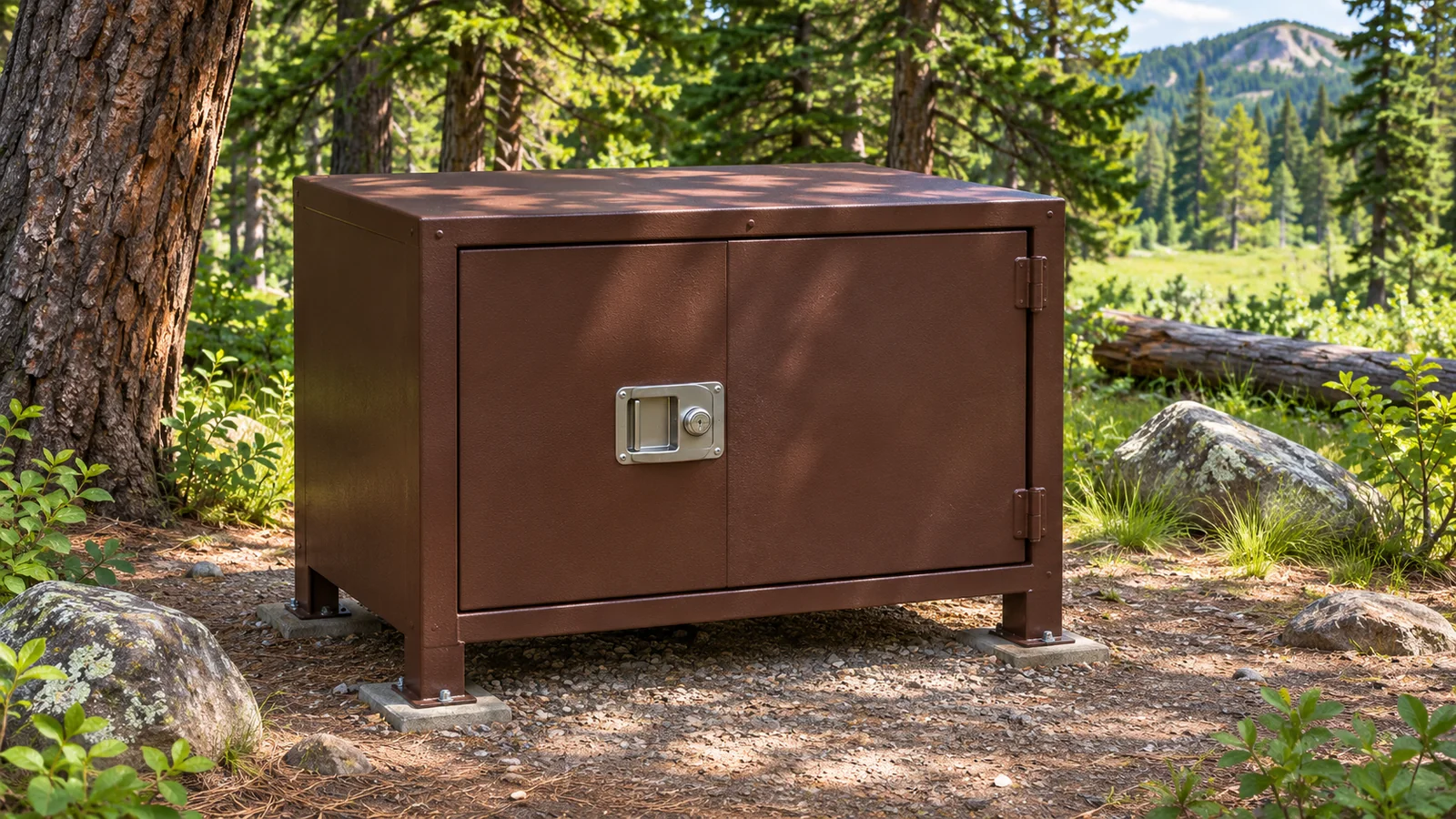
Follow the food storage and waste instructions for the park, campground or other place you are visiting. Include wrappers, coolers and scraps in that plan. Consider the short periods when people are most likely to put something down and turn away, such as unloading a vehicle or clearing a meal. A container that is secure in storage can still become accessible while it is being used. Close and store items as directed once you finish. Parks Canada food storage guidance
A group can make the process easier by agreeing who will handle food and waste and where those items will go. If someone needs a snack or other item for an individual need, ask the operator or site manager how to accommodate that within the rules. The goal is to have a plan before the group reaches a place where storing an item becomes harder. At a guided site, follow directions from the host about which equipment stays with you and which items must remain elsewhere.
If a bear obtains food or behaves in a way that concerns you, follow local instructions for leaving the area and reporting the event. Avoid trying to retrieve an item from the animal. Give the bear space and tell staff what you saw. Reporting promptly can help the people responsible check whether another reward remains accessible or whether additional management is needed.
Questions about habituation and food conditioning
Can a calm-looking bear be food conditioned?
Its appearance does not establish its history. A bear’s response to people and its previous access to rewards are separate questions. An animal might look calm while it searches, or ignore a group while feeding on its own. Keep a sighting report tied to what the bear was actually doing and whether any reward was present.
Is a bear habituated if it walks beside a road?
The observation establishes where the animal was visible. A road may run beside habitat the bear has a reason to use, and its response can change with traffic and circumstances. Demonstrating habituation calls for evidence that its response diminished after repeated exposure. Treat a roadside bear as a wild animal and follow local guidance.
Is food conditioning limited to intentional feeding?
An animal can learn from a reward whether or not someone meant to provide it. Unsecured food or waste can be enough. That is why the useful prevention step is to check what the bear can actually access. A visitor can make that check and follow storage instructions without having to know whether a bear has visited before.